“You really should try these noodles,” my cousin texted me right as I was wrapping up a hectic day. Honestly, I was skeptical—longevity noodles have always felt a bit intimidating to me, the kind of dish you only make for big family celebrations or when you have hours to spare. But that message came with a promise: “Super easy, super tasty, and perfect for New Year’s.” Well, it turns out she was right. After making these Perfect Longevity Noodles with Garlic Shrimp myself, I found something surprisingly fast and comforting that fits right into the bustle of ringing in the new year.
The garlic shrimp adds a punch of flavor that wakes up the simple noodles, and the whole dish has this cozy yet celebratory vibe that you just don’t get from your everyday dinner. It’s funny how a recipe that’s supposed to symbolize long life and good fortune can also feel so approachable and straightforward. The smell of garlic sizzling in butter while the noodles soak up the sauce is the kind of thing that quietly fills a kitchen with warmth. I ended up making this dish several times during the holiday season and even brought it along to a small New Year’s gathering, where it vanished in minutes.
What stuck with me was how this noodle recipe turned a busy evening into a small celebration, even if the day itself was chaotic. It’s a dish that feels thoughtful without demanding too much time or effort. And really, isn’t that exactly what you want when you’re juggling a dozen New Year’s plans? It’s the kind of meal that lets you pause, savor a bite, and quietly hope the year ahead is just as satisfying.
Why You’ll Love This Recipe
After testing this recipe a few times (okay, more than a few), I can say with confidence it deserves a spot on your New Year’s table. Here’s why it’s become one of my go-to dishes:
- Quick & Easy: Ready in under 30 minutes, it’s perfect for last-minute celebrations or when you want something special without the fuss.
- Simple Ingredients: No exotic pantry items here—just noodles, shrimp, garlic, and a few seasonings you probably already have.
- Great for New Year’s: Longevity noodles symbolize good fortune and long life, making this a meaningful dish for the occasion.
- Crowd-Pleaser: The savory garlic shrimp pairs beautifully with the noodles, winning over both kids and adults alike.
- Unbelievably Delicious: The buttery garlic sauce clings to the noodles perfectly, while the shrimp adds a juicy, tender bite.
This isn’t just any noodle dish. The secret lies in cooking the shrimp just right—searing them quickly over high heat to lock in their natural sweetness—and tossing the noodles so they soak up that rich, garlicky sauce. I’ve also found that using fresh garlic (not powdered) makes a world of difference. It’s a dish that feels classic and comforting but somehow also vibrant and fresh.
And if you’re someone who often ends up tweaking recipes to suit your family’s taste buds, this one is incredibly adaptable. Trust me, once you try it, you’ll want to make it your own staple for every New Year’s celebration.
What Ingredients You Will Need
This recipe uses simple, wholesome ingredients to deliver bold flavor and satisfying texture without the fuss. Most of these are pantry staples or easy to find fresh items, making it practical and accessible.
- Longevity noodles (Chinese egg noodles or thin wheat noodles): Look for fresh or dried versions, about 8 ounces (225 grams). I prefer fresh noodles for their springy texture, but dried works fine if cooked carefully.
- Large shrimp, peeled and deveined: About 12-16 shrimp (roughly 1 pound or 450 grams). Medium to large size works best for that juicy bite. Wild-caught if you can get them, but farmed are okay too.
- Garlic cloves, minced: 4-5 cloves for a bold garlic flavor. Fresh is non-negotiable here; it adds that punchiness that powder just can’t match.
- Unsalted butter: 3 tablespoons (about 42 grams) to create that rich, silky sauce.
- Low-sodium soy sauce: 2 tablespoons (30 ml) for savory umami depth. Use a brand like Kikkoman for consistent flavor.
- Sesame oil: 1 teaspoon (5 ml) to add a subtle nuttiness that rounds out the dish.
- Green onions, thinly sliced: 2 stalks, for freshness and crunch.
- Crushed red pepper flakes (optional): A pinch or two if you like a little heat.
- Fresh lemon or lime juice: 1 teaspoon (5 ml) to brighten the flavors just before serving.
If you want to swap noodles for a gluten-free option, rice noodles work well, but the texture will be different. Also, if shrimp isn’t your thing, thinly sliced chicken breast or firm tofu make tasty alternatives. For a dairy-free version, replace butter with olive oil or a vegan butter substitute.
Equipment Needed
- Large pot: For boiling the noodles. A wide pot helps noodles cook evenly without sticking.
- Large skillet or wok: Ideal for sautéing shrimp and tossing noodles. I personally like using my cast iron skillet for even heat distribution, but non-stick pans work just as well.
- Colander: To drain noodles properly after cooking.
- Garlic press or fine grater: For easy mincing of garlic cloves; saves time and intensifies flavor release.
- Tongs or chopsticks: For stirring and tossing noodles gently without breaking them.
If you don’t have a wok, a large, heavy-bottomed pan will do the trick. When it comes to maintenance, keep your skillet well-seasoned if it’s cast iron, and avoid overheating non-stick pans to prolong their life. For budget-friendly options, a simple stainless steel skillet will still get you great results.
Preparation Method
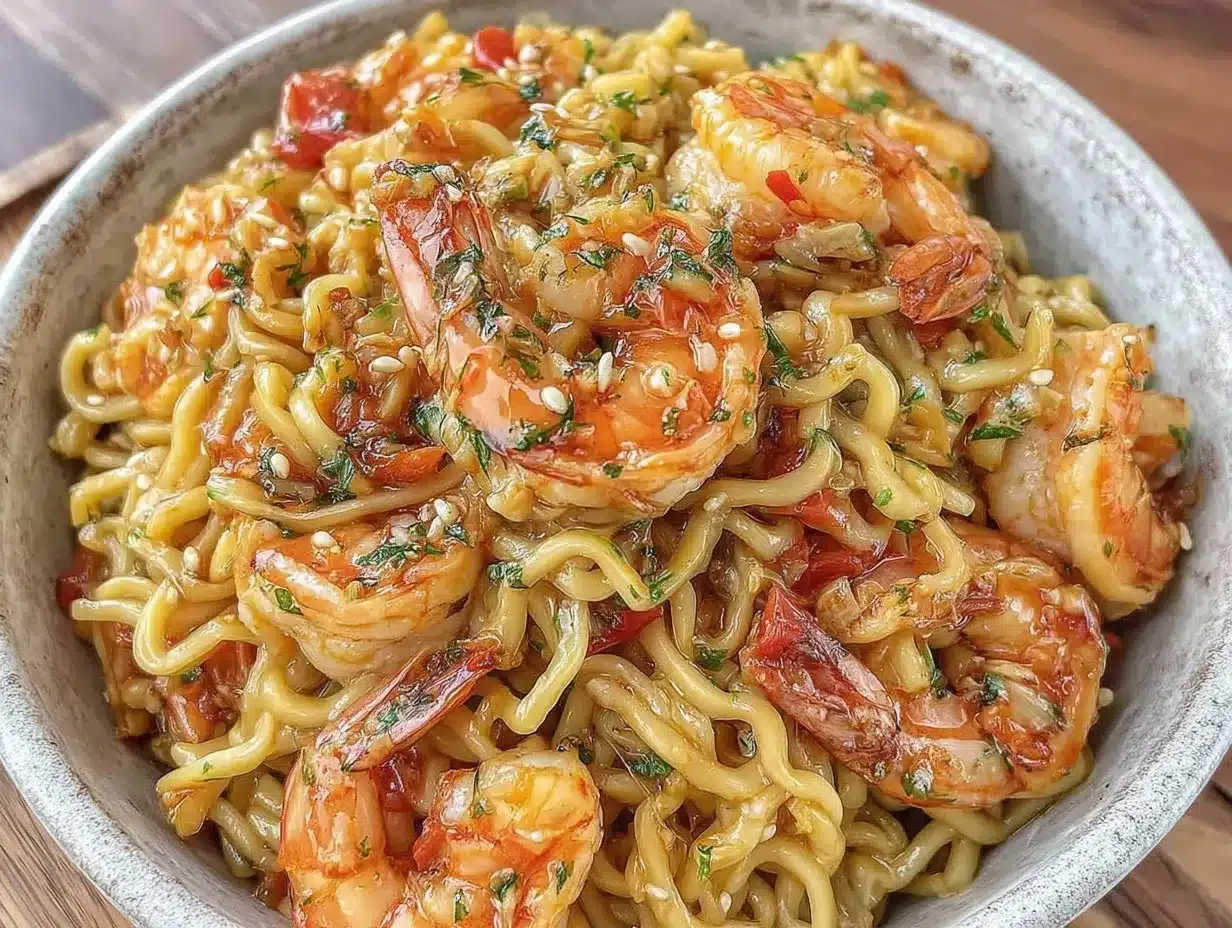
- Prepare the noodles: Bring a large pot of salted water to a boil. Add 8 ounces (225 grams) of longevity noodles and cook according to package instructions—usually 3 to 5 minutes for fresh, 7 to 9 minutes for dried. Stir occasionally to prevent sticking. Drain in a colander and rinse briefly under cold water to stop cooking. Set aside. (Tip: Rinsing helps keep noodles from getting mushy.)
- Prep the shrimp: Peel and devein about 1 pound (450 grams) of large shrimp if not prepped. Pat them dry with paper towels—this is crucial for a good sear.
- Cook the shrimp: Heat 3 tablespoons (42 grams) of unsalted butter in a large skillet or wok over medium-high heat until melted and foaming. Add minced garlic (4-5 cloves) and sauté for about 30 seconds until fragrant, but not browned. Add shrimp in a single layer, sprinkle with a pinch of salt, and cook for 2 minutes on one side without moving them.
- Flip and finish shrimp: Turn shrimp over and cook another 1 to 2 minutes until opaque and just cooked through. Avoid overcooking to keep them tender. Remove shrimp from skillet and set aside.
- Toss noodles: In the same skillet, add the drained noodles. Pour 2 tablespoons (30 ml) low-sodium soy sauce and 1 teaspoon (5 ml) sesame oil over noodles. Toss gently with tongs to coat evenly and warm through for about 2 minutes.
- Combine shrimp and noodles: Return cooked shrimp to the skillet, toss gently with noodles until everything is heated through and coated in sauce.
- Finish with green onions and lemon juice: Stir in thinly sliced green onions (2 stalks) and drizzle 1 teaspoon (5 ml) fresh lemon or lime juice over the top. Add crushed red pepper flakes if you like a bit of spice.
- Serve immediately: Plate the noodles and shrimp hot for the best flavor and texture. (Note: Longevity noodles are best enjoyed fresh; they tend to clump if left to sit too long.)
Pro tip: If your noodles seem sticky after tossing, add a splash of warm water or a touch more soy sauce to loosen them up. Also, don’t overcrowd the pan when cooking shrimp — cook in batches if necessary to get that perfect sear.
Cooking Tips & Techniques
Getting the shrimp just right can make or break this dish. I’ve learned the hard way that shrimp cooked too long turn rubbery, so watch the clock closely. Patting shrimp dry before cooking is key — wet shrimp steam instead of sear, and you’ll lose that golden, flavorful crust.
When cooking noodles, timing is everything. They should be tender but still have a little bite—what chefs call “al dente.” Overcooked noodles turn mushy and don’t hold the sauce well. Rinsing them under cold water right after boiling stops the cooking process and helps separate the strands.
Using butter and garlic together creates a rich, aromatic base. Don’t let the garlic brown too much or it’ll turn bitter. Cook it just until fragrant, then add shrimp quickly.
For efficiency, prep all your ingredients before you start cooking—this mise en place approach keeps things smooth, especially when you’re juggling other dishes or guests. I sometimes multitask by making a quick side salad or warming up a soup like creamy slow cooker potato soup while the noodles cook. It’s all about timing and flow.
Variations & Adaptations
- Vegetarian version: Swap shrimp for firm tofu cubes or sautéed mushrooms. Use vegetable broth or a splash of soy sauce for extra umami.
- Spicy Garlic Shrimp Noodles: Add more crushed red pepper flakes or a drizzle of chili garlic sauce to kick up the heat.
- Low-Carb option: Use spiralized zucchini or shirataki noodles in place of traditional noodles to keep it light and keto-friendly.
- Seasonal twists: In spring, toss in some snap peas or asparagus for crunch. In fall, roasted butternut squash cubes add a sweet, earthy contrast.
- Cooking method adjustment: For extra smoky flavor, grill the shrimp instead of pan-searing. Toss the noodles in garlic butter separately before combining.
Personally, I once added a splash of white wine during the shrimp cooking step—it gave the sauce a subtle tang and complexity that was a nice surprise. Feel free to experiment and find what feels like home for your palate.
Serving & Storage Suggestions
Serve these Perfect Longevity Noodles with Garlic Shrimp hot, garnished with extra green onions or fresh cilantro for a pop of color and freshness. They pair beautifully with light sides like steamed bok choy or a crisp cucumber salad. For drinks, a chilled jasmine tea or light white wine complements the garlicky richness nicely.
If you have leftovers (which is rare!), store them in an airtight container in the refrigerator for up to 2 days. Reheat gently in a skillet over medium heat with a splash of water or broth to revive the noodles without drying them out. Avoid microwaving as it tends to make noodles sticky and chewy.
Flavors deepen a bit when left overnight, but the noodles won’t stay as springy, so fresh is always best. Planning ahead? You can prep the shrimp and noodles separately and combine just before serving to maintain texture.
Nutritional Information & Benefits
This dish balances protein and carbs nicely, with shrimp providing lean protein and longevity noodles supplying energy-boosting carbohydrates. Garlic, a key ingredient, is known for its antioxidant and immune-supporting properties, making it a smart choice for the start of the year.
Estimated nutrition per serving (serves 4): Approximately 350 calories, 25g protein, 35g carbohydrates, and 12g fat. Use low-sodium soy sauce to keep sodium levels moderate.
For those mindful of allergens, shrimp is a common allergen, but you can easily substitute with tofu or chicken. The recipe is gluten-containing unless you choose gluten-free noodles or rice noodles.
From a wellness perspective, this meal feels satisfying without heaviness, making it an ideal New Year’s dish that supports both comfort and mindful eating.
Conclusion
The Perfect Longevity Noodles with Garlic Shrimp recipe has become a quiet favorite of mine during the New Year’s season. It strikes a beautiful balance between meaningful tradition and everyday ease. Whether you’re juggling a full schedule or want to impress without stress, this dish fits the bill.
Feel free to customize the spice level, swap proteins, or add your favorite veggies to make it truly your own. I love how it brings people together around the table, sharing a meal that feels both special and homey.
Give it a try, and if you do, I’d love to hear about your variations or how it turned out. Sharing recipes is part of the joy, after all. Here’s to a year filled with good food and simple moments of happiness!
Frequently Asked Questions
Can I use frozen shrimp for this recipe?
Absolutely! Just make sure to thaw them completely and pat dry before cooking to avoid steaming instead of searing.
What if I can’t find longevity noodles?
Chinese egg noodles or thin wheat noodles work well. Rice noodles can be a gluten-free alternative but change the texture slightly.
How do I prevent the noodles from sticking together?
Rinse cooked noodles under cold water to stop cooking and toss with a little sesame oil before mixing with other ingredients.
Can I prepare this dish ahead of time?
It’s best fresh, but you can cook components separately and combine just before serving to retain texture and flavor.
Is this recipe suitable for kids?
Yes! The flavors are mild but tasty. Skip the red pepper flakes for little ones and they’ll enjoy it just as much.
For more quick and crowd-pleasing dinners, you might enjoy the creamy Tuscan garlic butter shrimp or the crispy oven-fried buttermilk chicken tenders—both dishes bring big flavor with minimal hassle.
Pin This Recipe!
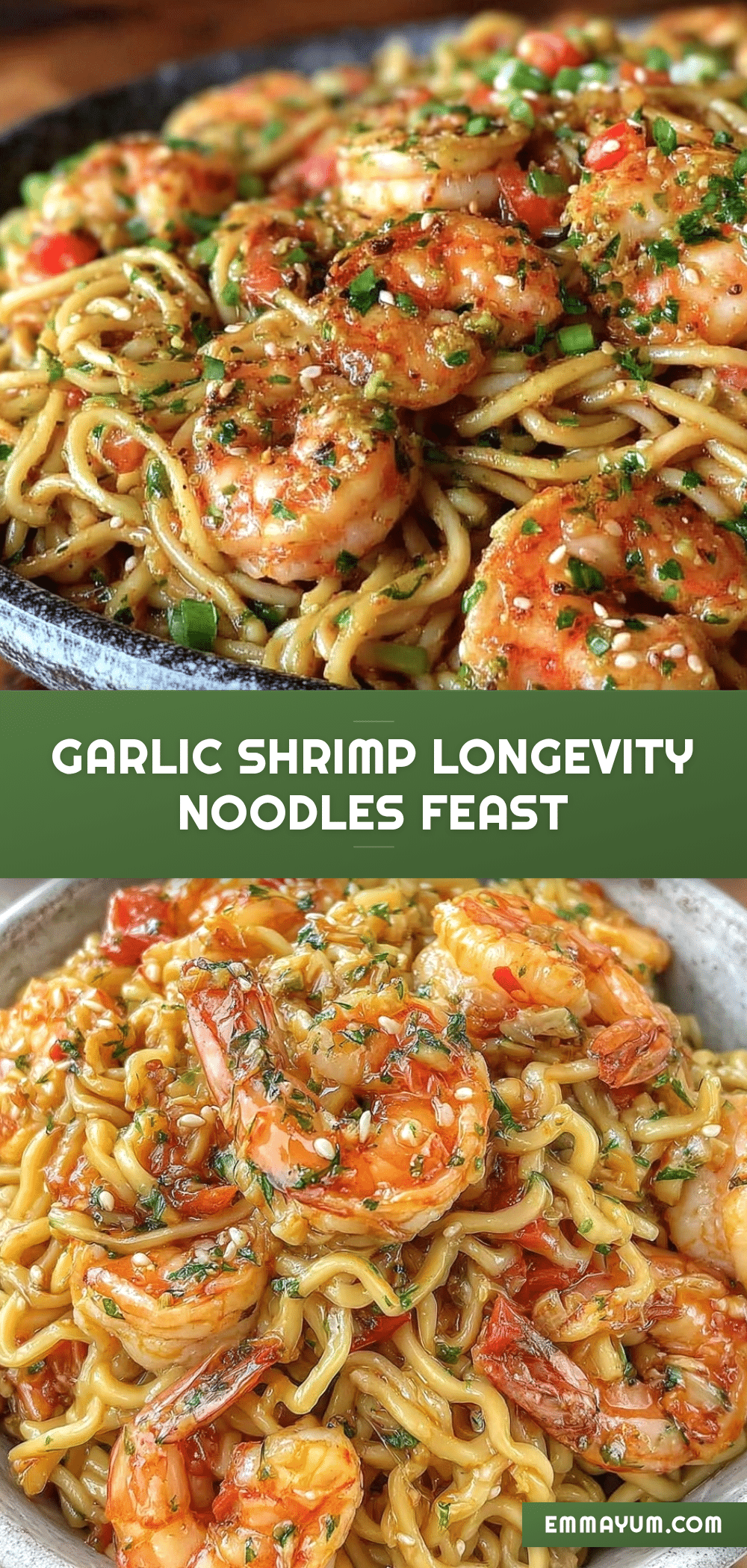
Perfect Longevity Noodles with Garlic Shrimp
A quick and easy noodle dish featuring garlic shrimp and longevity noodles, perfect for New Year’s celebrations symbolizing good fortune and long life.
- Prep Time: 10 minutes
- Cook Time: 15 minutes
- Total Time: 25 minutes
- Yield: 4 servings 1x
- Category: Main Course
- Cuisine: Chinese
Ingredients
- 8 ounces longevity noodles (Chinese egg noodles or thin wheat noodles)
- 1 pound large shrimp, peeled and deveined (12–16 shrimp)
- 4–5 garlic cloves, minced
- 3 tablespoons unsalted butter
- 2 tablespoons low-sodium soy sauce
- 1 teaspoon sesame oil
- 2 stalks green onions, thinly sliced
- Pinch of crushed red pepper flakes (optional)
- 1 teaspoon fresh lemon or lime juice
Instructions
- Bring a large pot of salted water to a boil. Add 8 ounces of longevity noodles and cook according to package instructions—3 to 5 minutes for fresh, 7 to 9 minutes for dried. Stir occasionally to prevent sticking. Drain in a colander and rinse briefly under cold water to stop cooking. Set aside.
- Peel and devein about 1 pound of large shrimp if not prepped. Pat them dry with paper towels.
- Heat 3 tablespoons of unsalted butter in a large skillet or wok over medium-high heat until melted and foaming. Add minced garlic and sauté for about 30 seconds until fragrant, but not browned.
- Add shrimp in a single layer, sprinkle with a pinch of salt, and cook for 2 minutes on one side without moving them.
- Turn shrimp over and cook another 1 to 2 minutes until opaque and just cooked through. Remove shrimp from skillet and set aside.
- In the same skillet, add the drained noodles. Pour 2 tablespoons low-sodium soy sauce and 1 teaspoon sesame oil over noodles. Toss gently with tongs to coat evenly and warm through for about 2 minutes.
- Return cooked shrimp to the skillet, toss gently with noodles until everything is heated through and coated in sauce.
- Stir in thinly sliced green onions and drizzle 1 teaspoon fresh lemon or lime juice over the top. Add crushed red pepper flakes if desired.
- Serve immediately while hot.
Notes
Pat shrimp dry before cooking to get a good sear. Rinse noodles under cold water after boiling to prevent mushiness. Avoid overcooking shrimp to keep them tender. Add a splash of warm water or more soy sauce if noodles seem sticky after tossing. Cook shrimp in batches if necessary to avoid overcrowding the pan.
Nutrition
- Serving Size: 1 serving (about 1/4
- Calories: 350
- Sugar: 2
- Sodium: 600
- Fat: 12
- Saturated Fat: 7
- Carbohydrates: 35
- Fiber: 2
- Protein: 25
Keywords: longevity noodles, garlic shrimp, New Year recipe, easy noodles, quick dinner, Chinese egg noodles, garlic butter sauce